Call: (03) 7046 5568
SMS/WhatsApp:
0485 085 568
Mon-Fri 9AM-5PM

Australian gardens are changing, slowly but clearly. People still love green spaces, of course, but the focus now is on gardens that feel lived in, useful, and calm. Not stiff. Not overdone. Gardens that suit real homes and real weather. In 2026, the best ideas balance beauty with comfort and common sense.
Many homeowners are searching for Australian garden ideas that work with their climate, their lifestyle, and their time limits. Low-fuss matters more than ever. So does sustainability. At the same time, no one wants a garden that feels dull or empty. The good news is you don’t have to choose one over the other. The ideas below show how Australian gardens are heading in a direction that feels natural and achievable.
Indoor and outdoor spaces are blending more each year. In 2026, gardens feel like an extra room rather than a separate zone. This means similar materials, similar colours, and an easy flow between inside and out. Doors open wide, paving continues, and the garden becomes part of daily life.
Furniture matters here. Comfortable seating, shade, and lighting all help. Plants soften the edges and stop the space from feeling too hard or flat. This approach works well for both large yards and small Australian garden ideas, where every square metre needs to earn its place.
 Native plants are no longer just practical choices. They’re stylish too. Native gardens today blend clean-lined design and planting. Imagine formal paths, simple edging, and masses of natives rather than scattered plantings.
The effect is one of freshness and yet of being earthy. These gardens work well for local flora and tend to require less water and maintenance. For many people, this has become an integral aspect of Australian gardens, as it is quite fitting to plant in such a manner.
Sustainability is no longer a trend. It’s a requirement. Gardens with only a few colours and textures appear to be calm and thoughtful. In 2026, gardeners will select a few basic colours and then use them consistently throughout the garden.
Recycled materials, rainwater use, and drought-tolerant planting all play a role. Many small, low-maintenance garden design projects now start with sustainability first, then layer in beauty. It makes sense, honestly, especially with changing weather patterns across Australia.
Australians love to entertain outdoors. That hasn’t changed. What has changed is how flexible these spaces are. Gardens now include areas that work in summer heat and cooler months too. Shade structures, fire pits, and covered seating help extend use across the year.
Zoning is important here. Dining, lounging, and cooking areas are defined without feeling boxed in. These entertainer gardens are a big part of modern Australian garden ideas because they support how people actually live.
Mass planting is making a strong comeback. Instead of lots of different plants, designers are grouping the same species together. The effect is bold and calming at the same time. It also helps reduce weeds and ongoing work.
This style suits both large properties and small australian garden ideas. Repetition creates rhythm. It also makes gardens easier to care for, which is something more homeowners are asking for now.
Space is tight in many Australian homes, especially in cities. Vertical gardens, wall planting, and clever use of height help solve that problem. Plants climb, trail, and hang, turning blank walls into green features.
Vertical design also helps gardens feel larger. The eye moves upward instead of stopping at ground level. This approach works especially well in courtyards, balconies, and narrow side gardens, which is why it features so often in Australian gardens ideas for urban homes.

Not all blocks are flat, and that’s not a bad thing. In 2026, designers are using levels to create interest rather than fighting them. Steps, terraces, and raised beds help define different areas.
Zoned gardens feel more engaging. You move through them, not just look at them. Even a slight change in height can turn a plain yard into something memorable. This idea works for big landscapes and small, low-maintenance garden design projects alike.
Coastal and arid styles are shaping garden design across the country, even away from the coast. These gardens use hardy plants, lighter colours, and natural textures. Gravel paths, grasses, and sculptural plants are common.
They feel relaxed and open. Maintenance is usually low, which adds to their appeal. Many people turn to these styles when looking for australian gardens ideas that won’t struggle in heat or dry conditions.
 Water adds something special to a garden. Sound, movement, and reflection all help create a calm atmosphere. In 2026, water features are used thoughtfully rather than as big statement pieces everywhere.
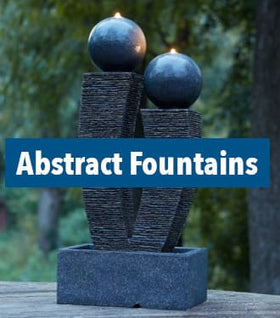
Small ponds, gentle trickles, and simple bowls are popular. A birdbath can attract wildlife and bring daily activity into the space. Some homeowners still prefer something larger, and options like a large water fountain for sale in Australia continue to interest those with more room. Companies like Fountainland focus on water features that suit Australian conditions, which helps people choose pieces that last.
Water features don’t have to dominate. When placed well, they quietly lift the whole garden experience.
Simplicity is powerful. Gardens with a limited colour and material palette feel calm and intentional. In 2026, many gardens stick to a few key tones and repeat them throughout the space.
This works well for contemporary Australian garden designs, as well as more traditional gardens. Consistency helps spaces feel larger and more settled. It also makes future changes easier since everything already works together.
 The formal garden is developing. The clean lines, hedges, and symmetry are still there, but the plant materials are now being replaced with local, water-evading species. This is making the formal garden a sensible proposition.
These gardens still feel polished, just less demanding. Water features are often included, though kept subtle and balanced.
 Cottage gardens are becoming looser and more natural. Native plants now sit alongside classic cottage favourites. The look is layered, colourful, and slightly wild in a good way.
This style appeals to people who enjoy gardening but don’t want rigid rules. It’s also a great option for small australian garden ideas that need warmth and personality.
 Urban living keeps growing, so balcony gardens matter more each year. In 2026, these spaces are smarter and greener. Pots are chosen carefully. Plants suit wind and sun conditions. Vertical elements do the heavy lifting.
Even small balconies can support herbs, flowers, and shade. With the right plan, these gardens feel like proper outdoor rooms, not just afterthoughts.
Flow matters more than size. A garden should guide you through it naturally. Paths, openings, and focal points help create movement. Sightlines draw the eye forward and keep the space interesting.
Good flow makes even modest gardens feel generous. This is a key principle behind many successful australian gardens ideas.
Sun exposure shapes everything. North- and north-east-facing gardens offer the most flexibility, but other aspects can still work well. The key is choosing plants that suit the conditions rather than fighting them.
Shade-loving plants thrive in darker areas. Sun lovers need open spots. When plants match their location, gardens look healthier and need less care.
One common mistake is overplanting. Too many plants too close together lead to stress and clutter. Another is ignoring maintenance needs. A garden should fit your time and energy, not demand more than you can give.
Skipping planning is another issue. Even simple gardens benefit from a rough plan. It doesn’t need to be perfect. It just needs direction.
In 2026, the best australian gardens ideas feel balanced. They respect the climate, support daily life, and still leave room for beauty. Gardens aren’t about showing off anymore. They’re about feeling good where you live, day after day.