Call: (03) 7046 5568
SMS/WhatsApp:
0485 085 568
Mon-Fri 9AM-5PM

Most people know meditation is good for them. Fewer actually stick with it. A big reason for that is the silence. Sitting in a completely quiet room with your own thoughts isn't relaxing for everyone, especially when the mind is already racing. That's where guided water meditation comes in. It adds something real to focus on, a sound, a rhythm, something the brain can actually follow without drifting straight back to tomorrow's to-do list.
Guided water meditation is basically a structured mindfulness practice that uses the sound or visualization of water as its anchor. You might be listening to a real water fountain in the room, an outdoor feature, or recorded water sounds, while a guide or your own breath keeps you present. The water gives the mind something gentle to attach to. It's not complicated, honestly. It's just meditation with a built-in sensory focus that happens to work really well for a lot of people.
Water meditation as a concept draws from older water healing techniques found across various cultures, from Japanese forest bathing near streams to Ayurvedic practices involving water sounds for nervous system regulation. The modern version is more accessible, done at home with a small fountain or even a recording.
There's actual science behind this, not just a nice idea. The brain processes water sounds, flowing streams, rain, and fountain trickles as non-threatening. That signals the nervous system to ease off. Cortisol, the stress hormone, drops. Breathing slows. Heart rate follows. It's a physiological response, not a placebo.
Meditation with water sounds also gives the wandering mind a soft landing point. Silence can feel stark. Water fills that space without demanding attention. You can drift in and out of focus and still come back easily, which is especially useful if you're new to meditation or find traditional silent practices hard to stick with.
You don't need a lot to get started. A quiet corner, a water feature or audio, and maybe 15 minutes is enough. Here's a simple approach that works:
A real, physical water fountain in the room makes a genuine difference compared to audio alone. The sound is more natural, more dimensional. Here are five options from Fountainland that work well in a meditation or relaxation space:
Carmen 3-Tier Garden Water Feature. A calming multi-tier fountain with water gently flowing down each level into a pebble pool, creating a soft, soothing sound. Ideal for meditation, mindfulness, and quiet reflection. Perfect for a garden corner, patio, or outdoor relaxation space.
Casana 4-Tier Cascading Bowls Fountain. A multi-level indoor water feature with four gently cascading bowls, creating a continuous, soothing flow of water from top to base. The layered design adds visual depth while maintaining a clean, calming aesthetic. Ideal for a living room corner, meditation space, or statement entryway piece.
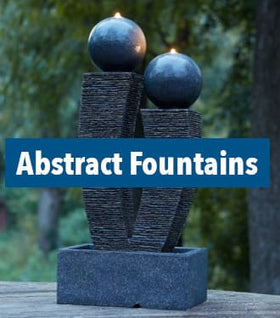
Isara Abstract Fountain with Rain Effect – A rain-effect piece with a clean, sculptural look. The water falls in fine streams, creating a quieter, continuous sound that is ideal if you find louder trickle sounds distracting.
Dandelion Embossed 4-Tier Ceramic Fountain. The elegant four-tier ceramic design creates a gentle cascading water flow, while the embossed dandelion pattern adds a decorative touch. Ideal for those who enjoy meditating with both the soothing sound of flowing water and a visually calming focal point.
Amora 8-Tier Slate Wall Fountain. For a larger meditation room or garden space. Eight cascading spouts produce a fuller, richer sound. The slate finish is natural and grounding. This one makes a proper statement but keeps the feel calm.
Basically, most people. It's particularly useful for anyone dealing with chronic stress, work-related anxiety, or trouble switching off at the end of the day. People who've tried conventional meditation and found the silence uncomfortable often find water meditation much easier to settle into. It's also helpful for those managing mild anxiety, sleep issues, or anyone who just needs a reliable way to decompress regularly.
Older adults, people in high-pressure jobs, students during exam periods, and anyone going through a stressful patch in life all tend to respond well to water meditation. It's low-risk, low-cost to start, and doesn't require any belief system or prior experience to work.
Yes, the combination of structured breathing and water sounds has a measurable calming effect on the nervous system and is widely used alongside other anxiety management approaches.
They are. The continuous sound of moving water has been shown to lower cortisol levels and create a more relaxed state, even in a standard room setting.
Tabletop fountains like the Zen Bowls or Buddha's Retreat from Fountainland are well suited, compact, quiet, and easy to position wherever you practice.
Start with 10 to 15 minutes. Even short daily sessions compound over time and produce more consistent results than occasional longer ones.
Yes. Playing water sounds before sleep or running a small fountain in the bedroom helps slow the mind and ease the transition into sleep, particularly for those prone to overthinking at night.